

Therapeutic Challenges in Supporting Former Members of Sects and Cults
Paper published in book: Therapeutische Herausforderungen in der Begleitung ehemaliger Sekten-/Kultmitglieder. (pp.417-432). Publisher: Dittmar, V., Mücke, T.

An Account of Psychotherapeutic Work with Ex-Cult/Cult Members using the Three-Step-Model
The category, “Religious or Spiritual Problem” can be found in the DSM-IV: V62.89 (Z71.8) under “Additional Conditions that May Be a Focus of Clinical Attention” with the following short description: “This category can be used when the focus of clinical attention is a religious or spiritual problem. Examples include distressing experiences that involve loss or questioning of faith, problems associated with conversion to a new faith, or questioning of spiritual values that may not necessarily be related to an organized church or religious institution”. Normally the “loss or the questioning of faith” correlate with the withdrawal from a religious community,

Of Giants and Dwarves
“Of Giants and Dwarves” (originally published in German as Von Riesen und Zwergen) is a psychological and psychotherapeutic paper authored by Dieter Rohmann, published in the journal Wege zum Menschen (Issue 2, 2002). The paper outlines a three-stage psychotherapeutic framework for working with active cult members and individuals who have recently left cults.

Children of Cults
This specialist article is intended for colleagues who, as part of their professional work in the field of psychosocial care, come into contact with so-called ‘cult children’ as part of their professional work in the field of psychosocial care. It is intended to help them better understand those affected, perhaps identify them at an earlier stage and provide targeted support. Right from the start – before the so-called ‘cult child’ has finally found their own words to describe life and the dynamics within the cult that once shaped them. ‘The tolerance enshrined in Article 4 of the German Basic Law
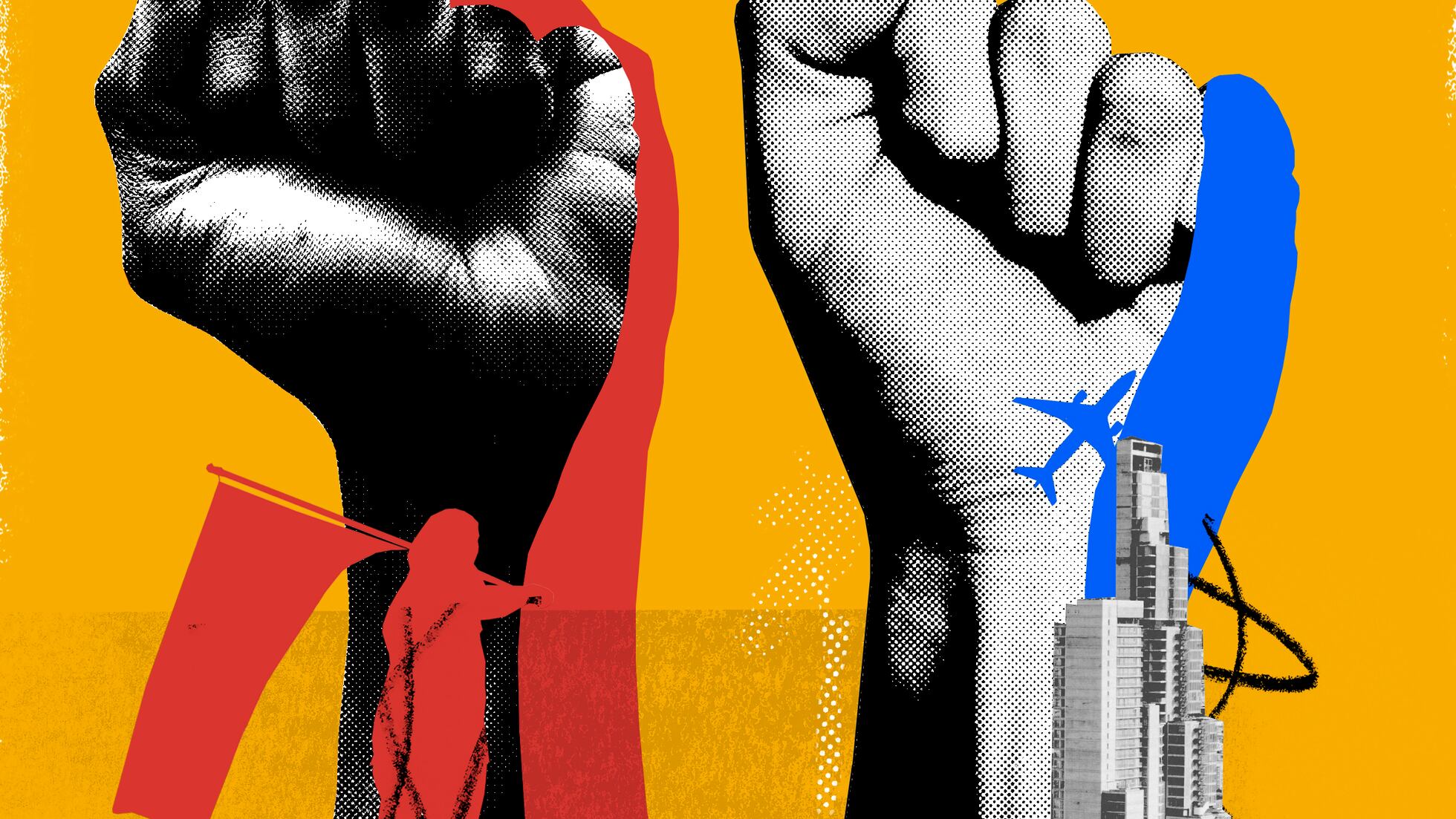
What is radicalization?
Radicalization is a process where a person increasingly accepts the use of violence to achieve political, religious, or ideological goals.Radicalization is a process where a person increasingly accepts the use of violence to achieve political, religious, or ideological goals.Which psychological mechanisms can play a role in radicalization processes? Radicalization has become a popular word, but it is often poorly defined. Often, radicalization is used in such a way that it encompasses all terrorists, but that is using the concept too broadly. There are many paths into a terrorist group or act of terror. Not all terrorists are radicalized. What